
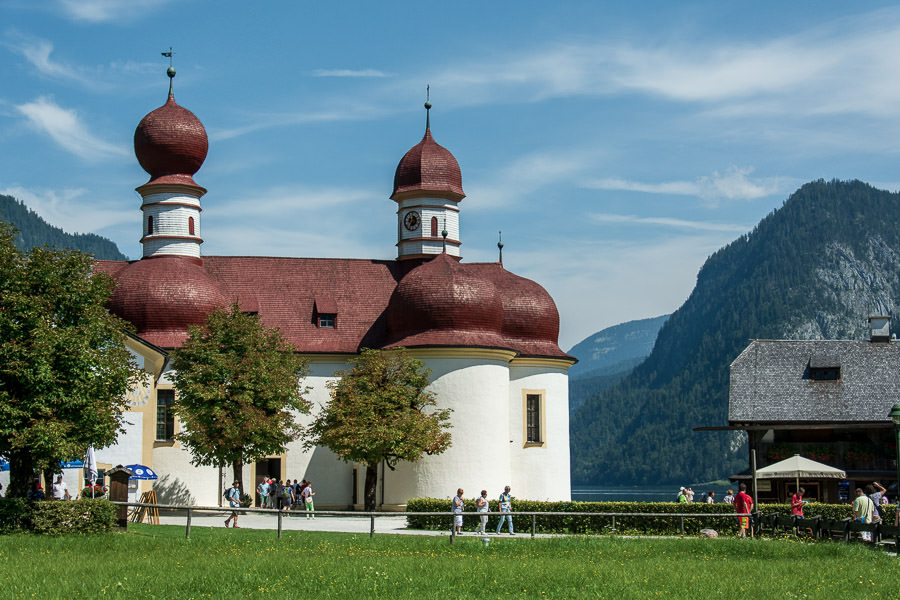
Years ago, when I first found out about the Königssee, one of the many lakes in Bavaria, and the Saint Bartholomew Church, a pilgrimage church perched on the edge of the lake beneath the German Alps, I was awestruck.
A friend summed it up more succinctly: it looked almost unreal. And he is not wrong. The photos of the lake, the church, the German Alps hovering overhead: it all looked too perfect, too picturesque, too ideal. Of course, I had to see it for myself. Live, up close, and in person. So my husband and I traveled from Munich to the Königssee to visit the lake and Berchtesgaden National Park, which surrounds the lake. While it isn’t fake, it sure feels surreal. It’s spectacularly beautiful whether you’re looking to hike, enjoy the outdoors, or simply explore.
Planning a day trip from Munich to Königssee? This stunning alpine lake in Berchtesgaden National Park is one of the most beautiful places in Bavaria, and one of the most memorable day trips in southern Germany. In this guide, I’ll walk you through exactly how to get to Königssee, what to expect from the boat ride, and how to make the most of your visit.
At a Glance: Königssee Day Trip Quick Guide
| Location | Schönau am Königssee, Berchtesgadener Land, Bavaria |
|---|---|
| Distance from Munich | Approximately 95 miles (153 km) |
| Travel Time | About 3 to 3.5 hours each way by train and bus or about 2.5 hours by car |
| Best For | Scenic boat rides, hiking, photography, and alpine landscapes |
| Don’t Miss | The electric boat ride, the famous trumpet echo, St. Bartholomä Church, and Obersee |
| Time Needed | 4–6 hours at Königssee; 10–12 hours total as a day trip from Munich |
| Typical Cost | Boat tickets, transportation or parking, and optional food or activities |
| Best Time to Visit | Late spring through early fall (May–October) |
| Accessibility | Most visitors can enjoy the ferry, St. Bartholomä, and short lakeside walks. Longer hikes require sturdy footwear. |
Where Is the Königssee and Why Visit?
Where Is Königssee?
The Königssee is in Bavaria’s Berchtesgadener Land region, situated just about as far south and east as you can go in Germany without crossing the border and ending up in Austria.
What Makes Königssee Unique?
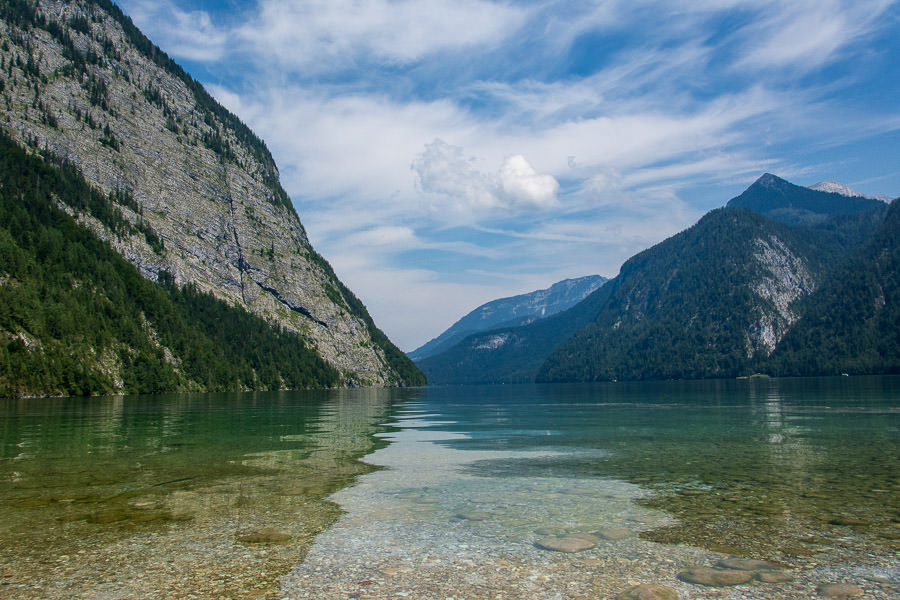
Berchtesgadener Land is one of Germany’s most spectacular alpine regions, with towering mountains, crystal-clear lakes, and some of the country’s best hiking. The third-highest peak in Germany, the Watzmann, stands in the district’s Berchtesgaden National Park, as does the Königssee, a spectacular lake that is also the country’s third deepest. Only electric boats have been allowed on the lake for over a century to preserve water quality. The lake’s unique blue-green color comes from its exceptional clarity and alpine setting.
If you’re looking for the best day trips from Munich, the Königssee is one of my favorites, but getting there takes some effort.
Berchtesgaden National Park
The Berchtesgaden National Park dates to 1978. It is the only national park in the German Alps, as well as the country’s only alpine national park. And at over 51,000 acres, it is home to more than 700 animal species.
The park is rich with hiking trails where you can experience the Watzmann mountain. You can explore the country’s largest ice cave, Mount Untersberg. Or you can go for a walk around a lake. In addition to the Königssee, there are other lakes in the park, including the Hintersee, Thumsee, and Höglwörth. (“See” means “lake” in German.)
How to Get to Königssee from Munich
By Train and Bus
Depending on where you’re coming from, reaching the Königssee by public transit requires some patience, but it can be done with a mixture of rail and bus. The nearest train station is Berchtesgaden Hauptbahnhof. From there, it’s a roughly 10 to 15 minute bus ride to the Königssee, Schönau a. Königssee stop on Bus 840, 841, or 843.
To save money traveling in Bavaria, consider using a DB regional pass like the Bayern Ticket or, during longer trips, the Deutschland Ticket.
By Car
To reach the lake from Berchtesgaden, take B20 south.
There are several paid parking lot options, depending on your vehicle and whether you’re looking to access the lake directly or are hiking. The closest option to the ferry dock on the lake is in Schönau am Königssee on Seestraße 3.
Is Königssee a Good Day Trip from Munich?
Can you do it? Absolutely. Especially if you have a car. Would I recommend it to everyone? Not necessarily. Between transportation and ferry schedules, you’re looking at a very long day. If you have multiple days in the Berchtesgaden area, an overnight stay makes for a much more relaxed experience. If you’re relying on public transportation, leave Munich as early as possible to maximize your time on the lake.
Visiting Berchtesgaden National Park
What to See in the Park
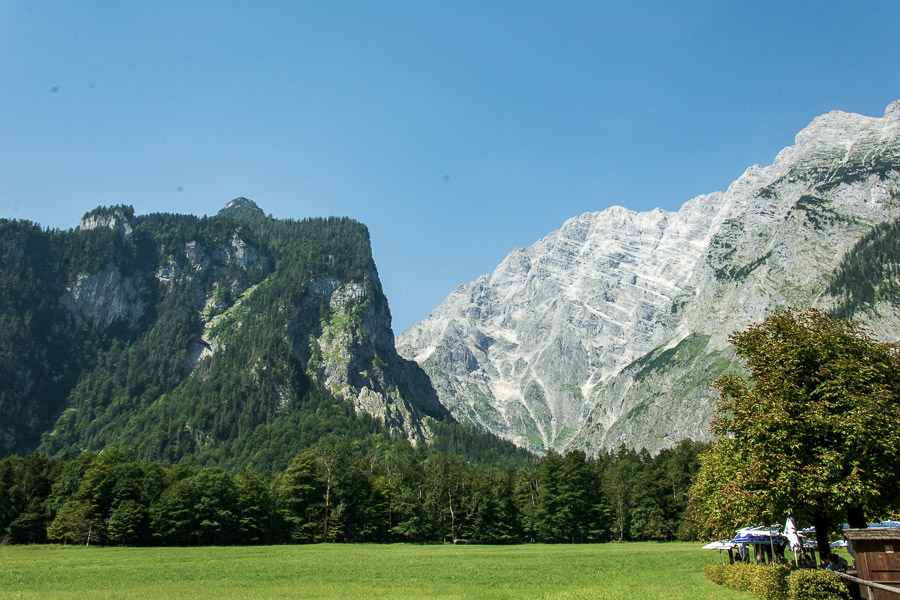
Germany’s only alpine national park, Berchtesgaden National Park, is 210 km², or about 52,000 acres, in size. In addition to the Watzmann peak, one of the park’s highlight sights, there are observation points and game feeding spots where you can observe red deer and other wildlife. The park also has a suspension bridge over the Klausbach.
What to Expect at Königssee
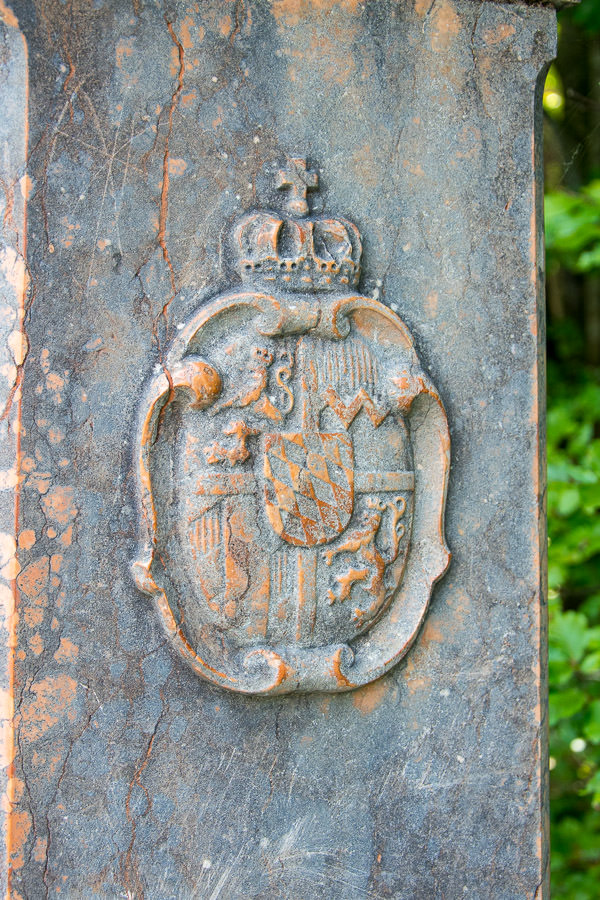
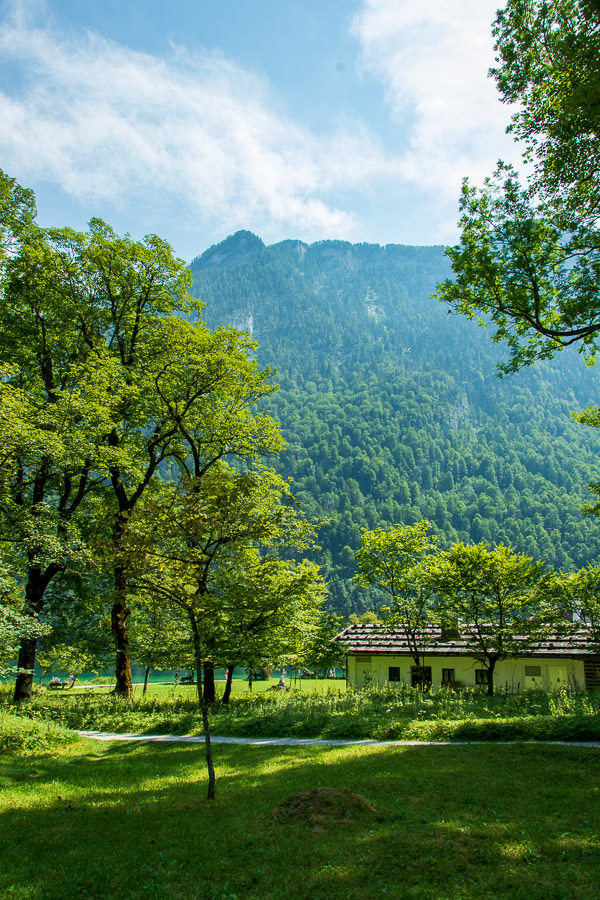
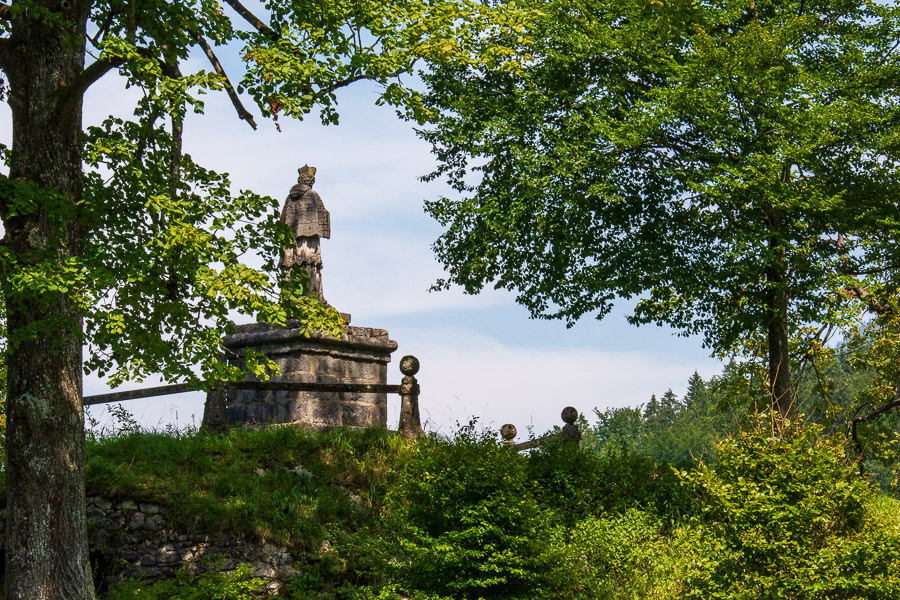
The Königssee is remarkable. The blue-green water is astonishingly clear, like glass. At more than 650 feet in depth, it is Bavaria’s deepest lake. Unlike many lakes, you can’t simply drive around Königssee or walk its shoreline. The towering cliffs mean that much of the lake is only accessible by boat, making the ferry ride an essential part of the experience rather than just transportation.
To experience the lake, the best place to start is in Schönau am Königssee. It’s at the northern tip of the lake. There is a small village there with shops, restaurants, and hotels for tourists.
From Schönau am Königssee, you can buy tickets for the ferry (or Königssee Schifffahrt) run by the Bayerische Seenschifffahrt. The ferry runs to several stops around the nearly 5-mile-long lake, but the most popular is the one to St. Bartholomew Church.
Taking the Boat on Königssee (Königssee Schifffahrt)
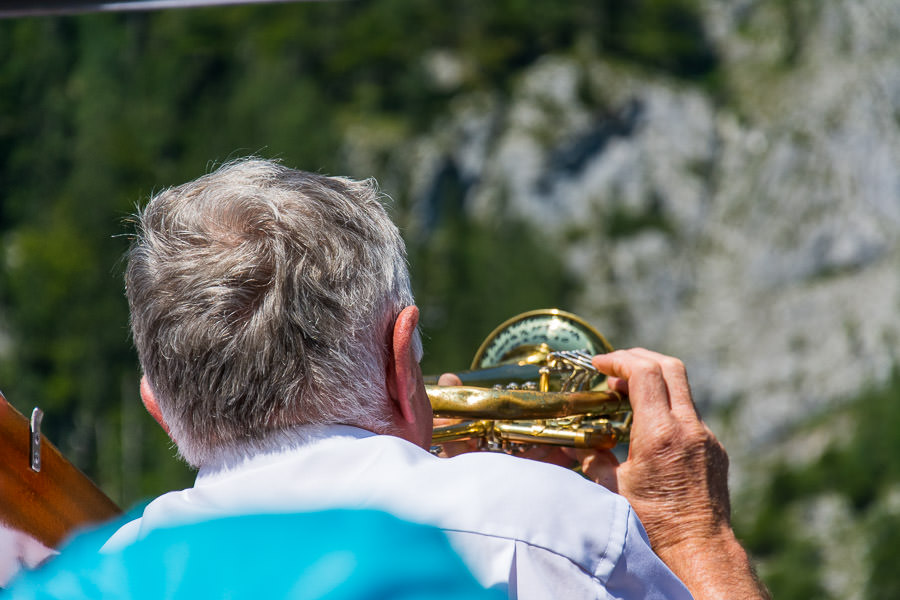
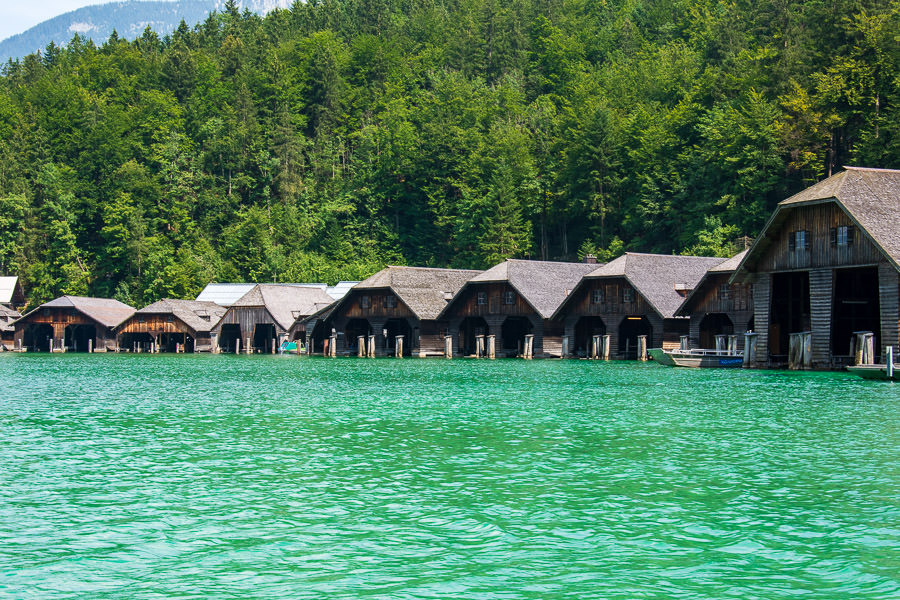
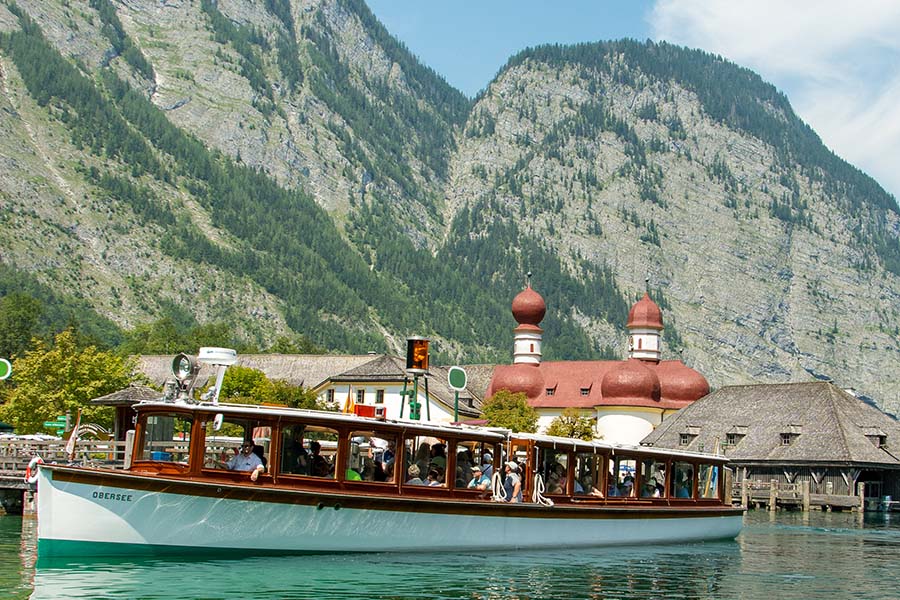
Rides on the Bayerische Seenschifffahrt’s electric ferry boat service start at the Schönau am Königssee dock, which, on a day with good weather and crowds, is slightly organized chaos. From the dock in Schönau am Königssee, it’s roughly a half-hour ride over the calm water before you reach St. Bartholomew. The ride on the lake through the Berchtesgaden National Park is an effortless glide that allows you to soak in your surroundings.
As the boat quietly glides across the water, the crowds quickly fade away. Surrounded by steep cliffs and calm water, it’s one of the most peaceful boat rides I’ve ever taken.
Stops Along the Lake
To visit the lake, it’s best to start at Schönau am Königssee, at the northern tip of the lake. From there, you can take the electric ferry to St Bartholomew’s Church or Salet, at the far end of the lake. (The ferry will also stop at Kessel, on request, during certain times of the year.) After you take the ferry to one of its stops, you can hike and explore.
The Famous Trumpet Echo
On ferry rides south from the departure dock, the ferry will pause for the boatman to play the trumpet, demonstrating the remarkable sound that echoes off the eastern face of the Watzmann range.
Ticket Prices and Wait Times
At the time of writing, a round-trip ferry ticket to St. Bartholomä costs €23.40.
It’s also important to keep in mind crowds. Typically, visitors will arrive and depart on the same schedule, meaning wait times for ferries. Keep this in mind while determining your itinerary.
Tickets can be purchased at the dock or online, although online tickets are limited. During peak season, the first departures of the day are often the least crowded.
St. Bartholomew Church
What to See
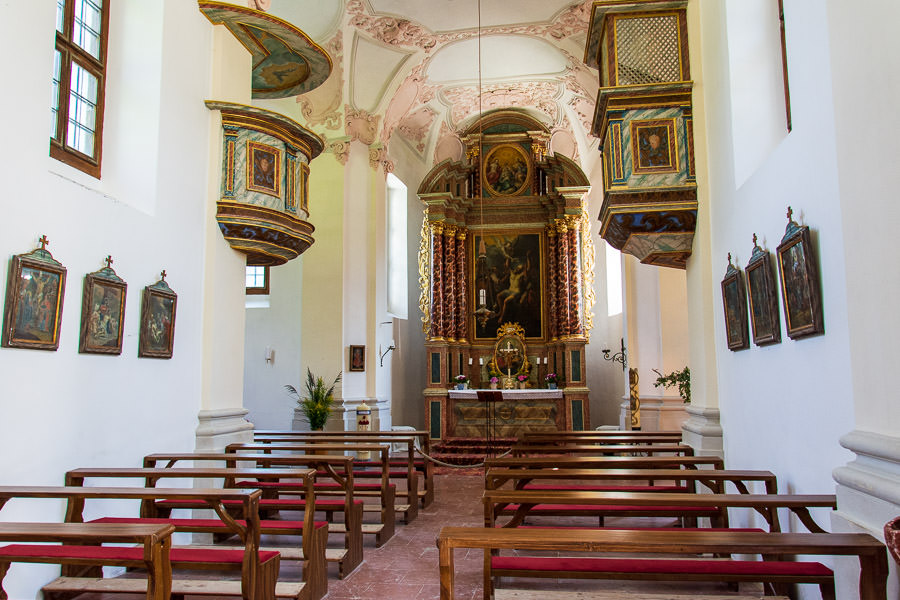
Once you dock and disembark at the church, admittedly, there isn’t much there. There’s a small building selling small souvenirs, a fish stand selling Steckerlfisch (delicious fish roasted on a stick), and a very good restaurant with a large Biergarten. Of course, there’s also the church itself.
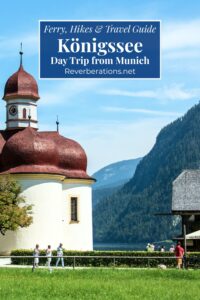
The onion-shaped, red-roofed church is remarkably small. It’s also, much to my surprise, not a fully detached building. It’s connected to another building.
The church dates to 1697 with the stucco-work done by Joseph Schmidt, a Salzburg master. During the 18th century, further construction was completed in the area, including a summer residence and a hunting residence. Be sure to stop in the church for a quiet moment. It’s a modest church, but it seemed mostly ignored by other tourists when I was there. There is no admission fee to enter the church.
Food and Beer Garden
Just outside of the church is Gasthaus St. Bartholomä, a Bavarian restaurant and beer garden serving regional dishes. The fish and wild game that the restaurant serves are from the surrounding park. The restaurant is open year-round, as long as the ferry is operating.
The nearby Fischer vom Königssee also offers fish fresh from the lake. The fish restaurant is open seasonally, typically from Easter through October.
Walking Trails from the Dock
From the dock, past the church and the other buildings, a path leads towards the Alps. Take the trail. While there are lengthy and more difficult trails that you can hike, there’s a trail that offers a not very challenging loop through the trees, along the cliffs, and then down past the edge of the lake.
That hike in Berchtesgaden National Park was my favorite part of the entire experience. And I must admit that visiting the Königssee was my favorite experience from this particular trip to Munich. It’s unlike anything I’ve ever experienced or will experience again anytime soon.
Hiking and Things to Do at Königssee
While there are challenging mountain hikes you can take along the Königssee, there are also trails for leisurely strolls and every activity level. Even if you aren’t an experienced hiker, don’t make the mistake of getting back on the ferry immediately after visiting St. Bartholomä Church. Some of the best scenery is found just a short walk from the dock.
Easy Walks
The walking paths around St. Bartholomä are easy to follow and mostly level. I highly recommend taking the trail that continues past the church and through the forest toward the lake. It isn’t particularly strenuous, but it offers beautiful views of the surrounding cliffs, the turquoise water, and the Watzmann peak. That short walk ended up being my favorite part of visiting Königssee.
Hiking to Obersee
If you have additional time, take the ferry to Salet, the southernmost stop. From there, it’s an easy walk of about 15 to 20 minutes to Obersee, a smaller alpine lake famous for its mirror-like reflections of the surrounding mountains. Many visitors consider it one of the most beautiful spots in Berchtesgaden National Park.
Longer Mountain Hikes
More experienced hikers will find dozens of trails throughout Berchtesgaden National Park, ranging from moderate forest walks to demanding alpine routes. Popular destinations include the Jenner mountain area, Röthbach Waterfall (Germany’s tallest waterfall), and challenging hikes around the Watzmann peak. If you’re planning one of these longer hikes, consider spending the night in the area rather than attempting them as part of a day trip from Munich.
Swimming & Photography
During the warmer months, some visitors swim in Königssee, although the alpine water remains chilly even in summer. Whether or not you take a dip, be sure to bring your camera. The lake’s emerald-green water, dramatic cliffs, and the iconic red domes of St. Bartholomä make Königssee one of the most photogenic destinations in Germany. Early morning and late afternoon typically offer the softest light and the calmest water for photography.
Best Time to Visit Königssee
One of the things that makes the Königssee so special is that it’s beautiful year-round. The best time to visit depends on whether you’re hoping to hike, enjoy warm weather, avoid crowds, or experience the lake surrounded by snow-covered peaks. No matter when you visit, you’re in for a breathtaking alpine landscape.
Spring
Spring is one of the quieter times to visit Königssee. As the snow melts in the surrounding Alps, waterfalls become more dramatic, wildflowers begin to bloom, and hiking trails gradually reopen. While temperatures can still be cool and the weather can be unpredictable, you’ll generally encounter fewer crowds than in summer, making it a great time for a peaceful visit.
Summer
Summer is the busiest time of year at Königssee, and for good reason. Warm temperatures, long daylight hours, and ideal hiking conditions make it the most popular season to explore Berchtesgaden National Park. Expect crowds at the ferry dock, busy trails around St. Bartholomä, and full parking lots, especially on weekends and holidays. If you’re visiting during the summer, arrive as early as possible to avoid the longest waits for the ferry.
Autumn
Autumn is an excellent time to visit if you prefer cooler temperatures and smaller crowds. As the leaves begin to change, the forests surrounding the lake add even more color to an already spectacular landscape. Hiking is more comfortable than during the heat of summer, and the lake often feels much more peaceful once the peak travel season comes to an end.
Winter
Winter transforms Königssee into a peaceful alpine landscape. Snow-covered mountains create a completely different atmosphere from the busy summer months, and you’ll often find far fewer visitors. Ferry service typically continues throughout the winter, although schedules may be reduced depending on weather conditions. Some of the restaurants may not be open, so it’s important to check ahead. If you’re planning a winter visit, dress warmly and check the ferry schedule in advance before making the trip.
My recommendation: I’ve only visited Königssee in early September, and the weather was nearly perfect for exploring the lake and walking the trails around St. Bartholomä. If I were planning another trip, I’d return in late September or early October for the cooler temperatures and the chance to see the surrounding forests beginning to change color.
Tips for Visiting Königssee
- Arrive early. Königssee is one of Bavaria’s most popular destinations, especially during the summer months. Arriving early means shorter lines for the ferry, easier parking, and a more peaceful experience on the lake.
- Wear comfortable walking shoes. Even if you aren’t planning a long hike, you’ll likely spend several hours walking around Schönau am Königssee, St. Bartholomä, or one of the nearby trails.
- Dress in layers. Mountain weather can change quickly. Even on warm summer days, mornings on the lake can be cool.
- Check the weather forecast before you go. While Königssee is beautiful in almost any conditions, the surrounding mountains are part of what makes the scenery so spectacular. Clear weather offers the best views of the Watzmann and surrounding peaks.
- Bring cash. Many restaurants, shops, and ticket counters now accept credit cards, but it’s still a good idea to carry some cash for smaller purchases or just in case.
- Know the last ferry departure. Before setting off on a walk or hike, check the return ferry schedule so you don’t miss the last boat back to Schönau am Königssee.
Is Königssee Worth It?
Absolutely. The Königssee is so beautiful and not so easy to reach without a car, making it one of the most rewarding day trips in Bavaria.
That said, I wouldn’t recommend it to everyone. If you’re looking for a quick or convenient day trip, Königssee probably isn’t it. Traveling from Munich takes around three hours each way, and once you arrive, you’ll still need time to explore the lake by ferry.
But if you love dramatic mountain scenery, peaceful boat rides, hiking, or photography, Königssee is one of the most rewarding places you can visit in Bavaria. The combination of crystal-clear water, towering alpine cliffs, and the iconic St. Bartholomä Church feels almost surreal.
If your itinerary allows, I’d recommend spending a night in the Berchtesgaden area rather than trying to squeeze everything into a single day. But even as a long day trip, I never regretted making the journey.
FAQs About Visiting Königssee
How long do you need at Königssee?
If you’re taking the ferry to St. Bartholomä, enjoying lunch, exploring the trails, and returning, plan for four to six hours at the lake itself. Add transportation from Munich, and this easily becomes a full day.
Can you swim in Königssee?
Yes. Swimming is permitted in Königssee, and you’ll often see people enjoying the water during the summer months. Keep in mind that it’s an alpine lake, so the water remains quite cold even during the warmest part of the year.
Is Königssee crowded?
It can be. Summer weekends and holidays are especially busy, with long lines for the ferry and crowded walking paths around St. Bartholomä. If possible, visit on a weekday and arrive early in the morning for a more relaxed experience.
Is Königssee worth visiting in bad weather?
Yes, although your experience will be different. Mist and low clouds can give the lake an almost mystical atmosphere, but they may also obscure views of the surrounding mountains. If seeing the Watzmann and photographing the lake are priorities, try to visit on a clear day.
Can you visit Königssee as a day trip from Munich?
Yes, but expect a long day. Travel time is about three to three-and-a-half hours each way by public transportation, making it a 10- to 12-hour excursion. If you have the flexibility, spending a night in Berchtesgaden allows for a much more relaxed visit and gives you time to explore more of the surrounding national park.
Is the boat ride worth it?
Yes! The boat ride is part of the magic of the Königssee. It gives you a unique experience on the lake, and the demonstration of the echo is quite impressive.
Final Thoughts on Visiting Königssee
Years after seeing those first photographs, the Königssee somehow managed to exceed my expectations. The lake, the towering Alps, and the quiet beauty of St. Bartholomä all felt almost unreal. While getting there from Munich takes some planning, the experience is unlike anywhere else I’ve visited in Germany.
Whether you’re hiking through Berchtesgaden National Park, riding the electric ferry across the lake, or simply enjoying the view from St. Bartholomä, Königssee is one of those places that stays with you long after you’ve gone home. It’s a destination I’m eager to return to, and one I wouldn’t hesitate to recommend to anyone exploring Bavaria.
Save this post for later on Pinterest!
All photos and opinions are my own.


Pingback: Munich Tips & Picks: My Favorites - Reverberations
Pingback: Must See List: Mont Saint-Michel - Reverberations
Pingback: A Visit to: Nuremberg - Reverberations