
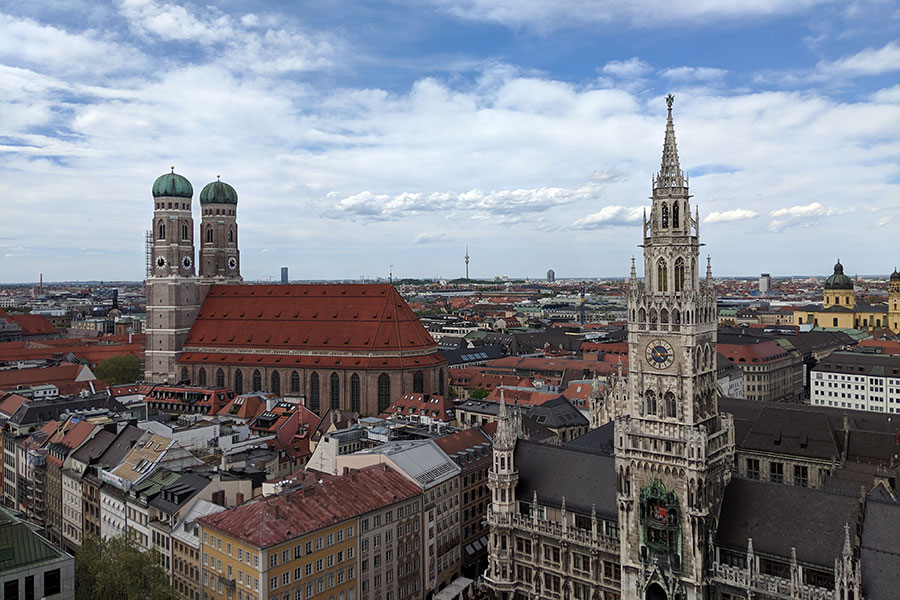
Munich is a special spot, unlike anywhere else. The third largest German city, it’s where history and tradition meet modernity and technology. It’s a landscape of Biergartens, not skyscrapers. “Laptops and Lederhosen,” as the saying goes. It’s a city where you can bike through the Englischer Garten in the morning, drink a Maß of beer under chestnut trees by afternoon, and still be home in time for opera or modern art at night.
It’s all this and more that made me fall in love with Munich.
With this Munich travel guide, I share my favorite things to do in Munich, how to navigate the city, and the places that consistently draw me back—from iconic landmarks to easy day trips from Munich and the city’s traditional biergartens and food culture.
This Munich travel guide covers everything you need to plan your trip—from top sights and local food to day trips, seasonal tips, and realistic itineraries. This guide is ideal for first-time visitors, return travelers, and anyone looking to experience Munich beyond the typical highlights.
- Best for: Architecture, beer culture, and easy day trips
- Ideal stay: 2–3 days
- Best time to visit: Spring and autumn
- Walkability: Excellent in the Altstadt
- Day trips: Easy by regional train
- Airport: Munich Airport (MUC), ~40 min to city center
Plan your Munich trip:
- Getting around & saving money
- Top sights & architecture
- Food, beer & local culture
- Best day trips from Munich
- Best time to visit Munich
- Suggested itineraries
Practicalities: Getting Around & Saving Money
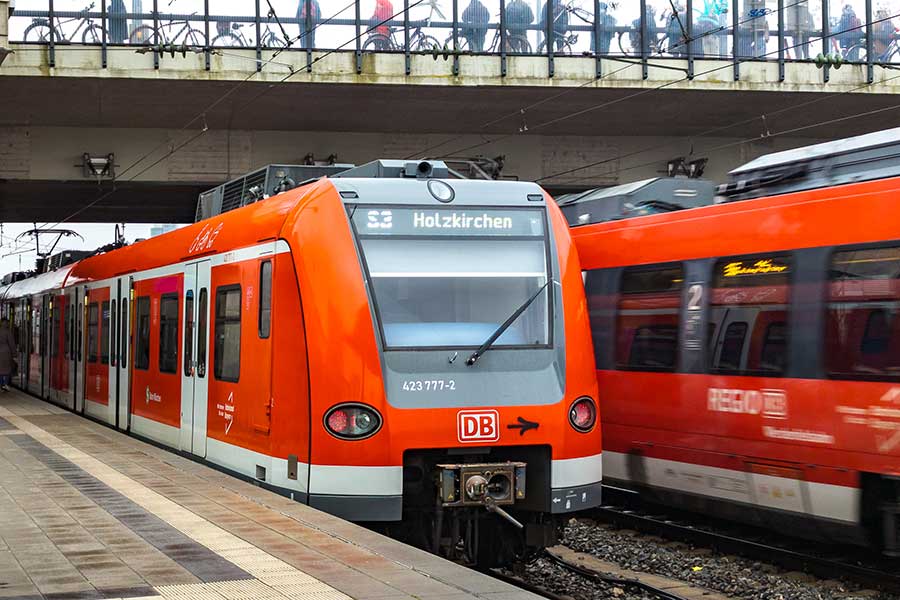
Munich Public Transit Basics
- Munich’s U-Bahn, S-Bahn, trams, and buses are reliable and easy to use
- Tickets must be valid before boarding
- Paper tickets must be validated in machines
- Central Munich is highly walkable
Luckily, getting around Munich is fairly easy. The subway system (U-Bahn) and the local trains (S-Bahn), along with buses and trams, provide great coverage throughout the city’s downtown Altstadt, or Old City, as well as the surrounding region. As with public transit across Germany, riders simply need to have a valid ticket while traveling; there is generally no need to swipe or scan tickets. A common first-time mistake is forgetting to validate paper tickets bought at machines.
Visitors spending an extended period in Munich or traveling elsewhere in the country should consider the Deutschland-Ticket, a fixed price monthly subscription that allows for unlimited travel on local transit across the country.
To save money traveling around Munich and Bavaria, there are regional passes to consider, like the Bayern Ticket.
Before investing in a transit pass or day ticket, consider your itinerary. Central Munich, where most of the major attractions are, is extremely walkable. Strolling through Englischer Garten to reach the Biergarten am Chinesischen Turm is part of the experience!
Before leaving for Europe, make sure you pack a few essential travel items that make trips much easier.
If you’re considering using regional trains during your trip, the Deutschland-Ticket can save you money—but only if you use it the right way. I put together a practical guide that explains exactly how it works and when it’s actually worth it.
Iconic Sights & Architectural Wonders
Top Munich sights at a glance:
- Marienplatz & Glockenspiel
- Neues Rathaus (New Town Hall)
- Frauenkirche & Alter Peter views
- Munich Residenz
- Nymphenburg Palace
- Schleissheim Palace
These are the landmarks most first-time visitors prioritize, but each offers a different perspective on Munich.
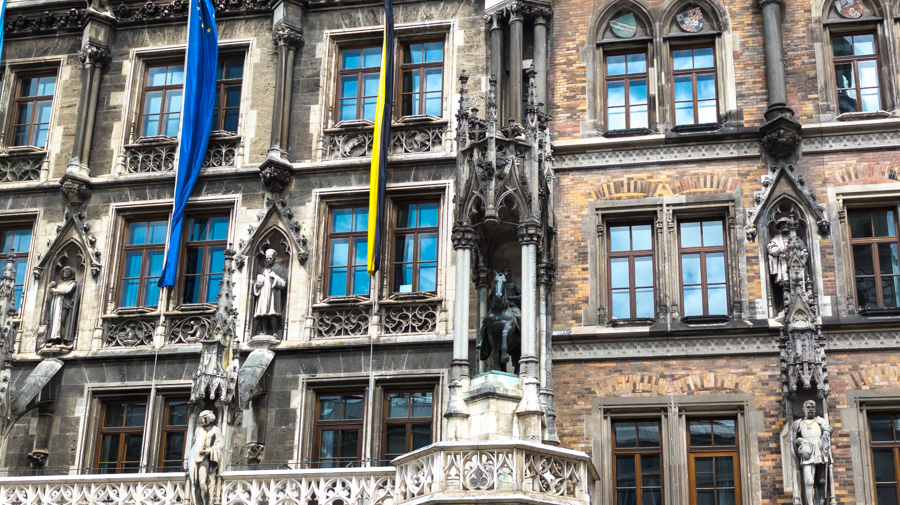
Crowds flock to Marienplatz to watch the famous Glockenspiel on the Neues Rathaus (New Town Hall). It rotates several times a day, retelling the story of the marriage of Duke Wilhelm V to Renata of Lorraine, and to see the red-jacketed coopers spin. The massive Neues Rathaus (New Town Hall) is among the city’s landmarks. One thing many visitors miss: the law library inside the New Town Hall can be visited with a guided tour and is far quieter than the Glockenspiel crowds outside.
The New Town Hall is also one of Munich’s observation spots, along with nearby Alter Peter and the onion-domed Frauenkirche. Each spot offers a different perspective of the city’s iconic skyline.
Castles and palaces are also a must-see for many visitors to Germany, and Munich doesn’t disappoint. The Residenz sits in the Altstadt, while my favorite, the scenic summer palace Nymphenburg Palace and Park, is in the western part of the city. Just outside the Munich city limits, nearer to the airport, is the oft-overlooked Schleissheim Palace.
For deeper context, visiting tips, and lesser-known surprises inside Munich’s landmarks, explore my detailed guides to the Munich’s New Town Hall, observation towers, and the royal palaces the Residenz and Nymphenburg.
Savoring Bavaria: Beer Halls, Gardens & Food
Munich food & drink experiences:
- Biergartens
- Traditional Wirtshaus
- Beer festivals (Starkbierfest, Frühlingsfest)
- Bavarian specialties like Weisswurst
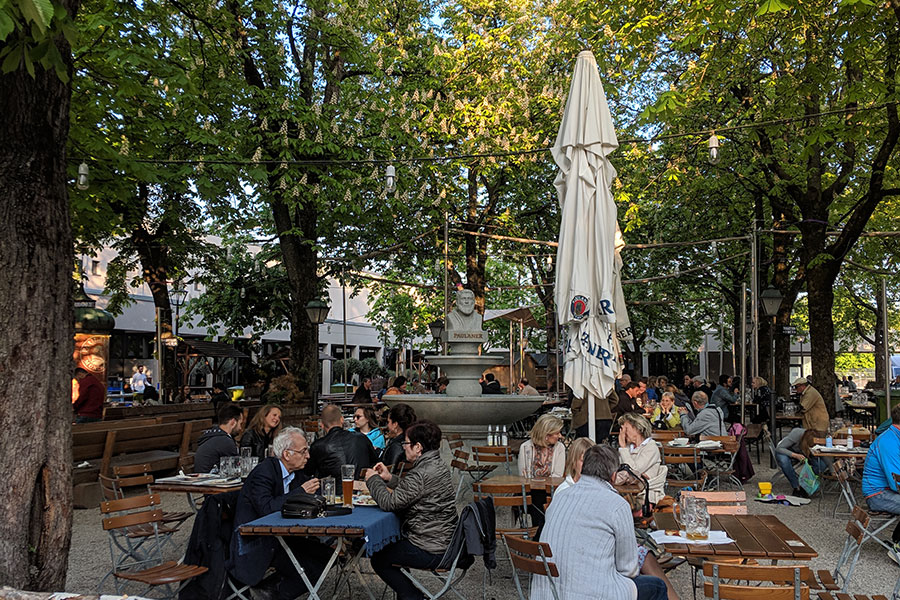
Munich is famous for its beer! The Biergarten, outdoor spots for beer and sometimes food, are iconic. But so too are the Beerhalls and Wirtshaus, the Bavarian equivalent of the pub.
Want to avoid looking like a tourist? This is one of the easiest ways to blend in—and something I learned on my first few visits. Unless there is a clear host at the entrance to a restaurant or a sign, most Wirtshaus allow you to seat yourself. Tables are also typically communal. If there are empty seats at a table already in use, simply ask if the seats are free. You’ll likely make some new friends with the experience!
While Oktoberfest is one of the city’s biggest draws, there are Munich beer festivals year-round. There’s Starkbierfest, or the Strong Beer Festival, in late winter, followed by Frühlingsfest as Munich heads into spring.
Many of the regional Bavarian breweries offer tours year-round, especially outside peak festival season.
And what goes better with beer than sausage! Münchner Weisswurst is a local speciality for breakfast. Paired with a beer and pretzels, it’s not to be missed.
If beer culture is part of your Munich experience, start with my guides to biergartens, traditional Wirtshaus, and Bavarian brewery tours to plan where—and how—to eat and drink like a local.
Beyond the City: Essential Day Trips from Munich
Best day trips from Munich:
- Neuschwanstein & Hohenschwangau Castles
- Regensburg
- Würzburg
- Bamberg
- Augsburg
- Tegernsee & Wallberg
- Burghausen Castle
With its location in southern Bavaria, near the border with Austria, Munich is a great home base for traveling around the region. Many of these destinations are easily reachable by regional train, making them realistic even for short stays.
One of the most popular Munich day trips is the fairytale experience of visiting Neuschwanstein and Hohenschwangau Castles.
But while Neuschwanstein is a must-see, I’m always surprised how travelers miss some of the other gems that Bavaria has to offer. Historic Bavarian cities like Regensburg, Würzburg, Bamberg, and Augsburg offer stunning smaller towns with scenic spots and regional specialties (like Würzburg’s wine and Bamberg’s smoked beer!). Crowds are often lighter and getting there can be easier.
One of the most unusual castles in Bavaria is Burghausen Castle, the longest castle complex in the world.
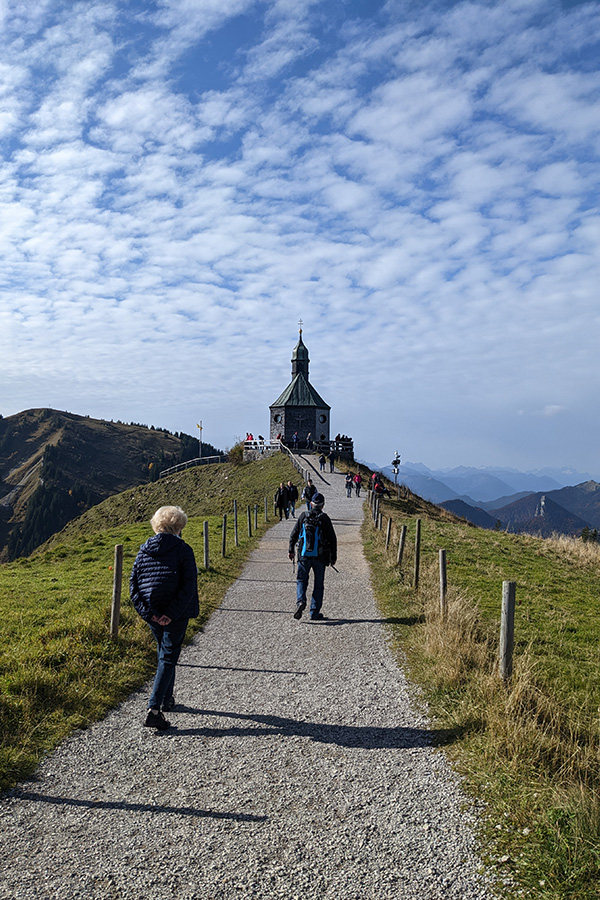
Or, head to Munich’s backyard to enjoy alpine lake towns like the Tegernsee and the Wallberg mountain, where you can hike or ride to the top in a cable car for remarkable views of the valley.
To go beyond day trips that fit your interests, pace, and tolerance for crowds, start with my complete Munich day trips guide.
Munich Through a Cultural Lens
Explore Munich beyond sightseeing:
- Films set in Munich
- German music
- Language learning resources
Before your trip, it helps to understand some cultural basics, including some key German travel phrases.
If you want a deeper understanding of Munich beyond sightseeing, my German film, music, and language features offer an easy way to understand Munich—and Bavaria—before you arrive.
Seasonal Munich: When to Visit
Choosing when to visit Munich can shape your entire experience—from festivals and weather to crowd levels and pricing.
Best time to visit Munich depends on your travel style:
- Winter – Christmas markets, fewer crowds
- Spring – blooming parks, reopening biergartens
- Summer – peak season, outdoor culture
- Autumn – Oktoberfest, fall colors
Munich in Winter
The city’s Christmas markets are a popular draw that creates a festive atmosphere across the region. Once the holidays are over, winter in Munich is quiet and cozy as the cold temperatures, and maybe a bit of snow, settle in. The crowds are at their lowest, but most of the activities have moved indoors due to the weather. It’s an especially good time for museum visits and traditional restaurants.
One bright spot is Starkbierfest, the winter beer festival that is a local’s secret.
Munich in Spring
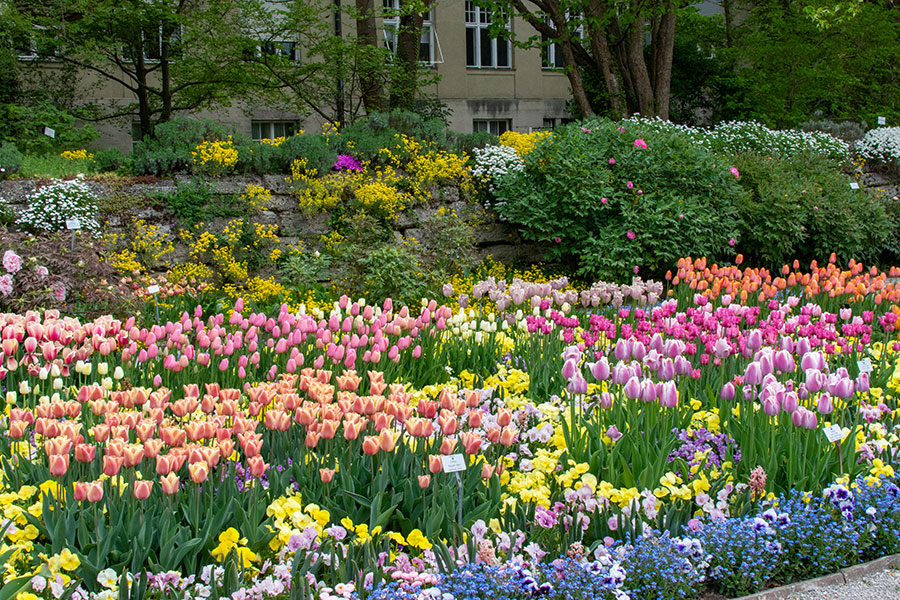
In the spring, flowers burst into bloom. Parks and biergartens reopen gradually, and the city feels noticeably lighter. The Botanical Garden in Nymphenburg is my favorite spot in the spring.
Temperatures can still be rather cold, but the city is ready to get back outside. The spring festival, Frühlingsfest kicks things off.
Munich in Summer
Summer in Munich is busy! And it can be rather hot – especially in older buildings and hotels that may not be modernized with air conditioning.
But in the summer, Munich is in full swing with bustling biergartens, outdoor concerts, and more. Locals escape the heat by dipping their toes in the Eisbach or lingering in shaded biergartens well into the evening.
Munich in Autumn
In the autumn, the leaves turn a beautiful range of reds, oranges, and yellows as Oktoberfest and other folk festivals bid farewell to summer. It’s one of the best seasons for photography and long walks through the Englischer Garten.
For weather expectations, events, and what Munich is really like throughout the year, explore my season-by-season guides to winter, spring, summer, and autumn in Munich.
Munich Travel Guide: The Perfect Itinerary
Suggested Munich itineraries:
- 24 hours in Munich
- 2–3 day relaxed itinerary
Most first-time visitors plan a Munich itinerary around 2 to 3 days, balancing major sights with food, neighborhoods, and at least one day trip.
If your time is limited, my 24 hours in Munich itinerary is designed to help you experience the city without rushing—or spending your whole trip on public transit.
If you have two or three days, you can balance historic sights with neighborhoods, parks, and museums without feeling rushed. I’m working on a longer Munich itinerary that reflects how I actually revisit the city—slowly, with time for neighborhoods and museums.
Planning a trip to Germany? I share thoughtful travel guides, seasonal insights, and cultural tips—no spam, just slow travel inspiration.
If Munich—or Germany more broadly—is on your travel radar, this is where I share new guides first. I also share updates when I refresh older guides with new pricing, ticket changes, or seasonal tips.
Munich Travel Guide FAQs
How many days do you need in Munich?
Most visitors spend 2–3 days in Munich, which allows time for major sights, food experiences, and at least one day trip.
What is Munich best known for?
Munich is known for its beer culture, historic architecture, Oktoberfest, and its role as a gateway to Bavaria.
Is Munich walkable?
Yes, central Munich is very walkable, especially around the Altstadt and Englischer Garten.
Is Munich expensive to visit?
Munich is one of Germany’s more expensive cities, but costs can be managed with transit passes, free attractions, and affordable food options like biergartens.
What is the best area to stay in Munich?
Most visitors stay in or near the Altstadt for walkability, while neighborhoods like Schwabing offer a more local feel with easy transit access. For a quieter experience to live more like a local, I prefer to stay in Neuhausen-Nymphenburg.
How do you get around Munich without a car?
Munich’s public transit system, including the U-Bahn, S-Bahn, trams, and buses, is efficient and easy to use. Most visitors can rely entirely on public transportation and walking to get around the city.
Save this post for later with Pinterest!
All photos and opinions are my own.


Pingback: How to Spend 24 Hours in Munich - Reverberations
Is the long hall of portrait busts with the painted ceiling to be found in the Alte Pinakothek?
Hi Charles, the photo with the rounded ceiling lined by busts is the Antiquarium in the Residenz.