
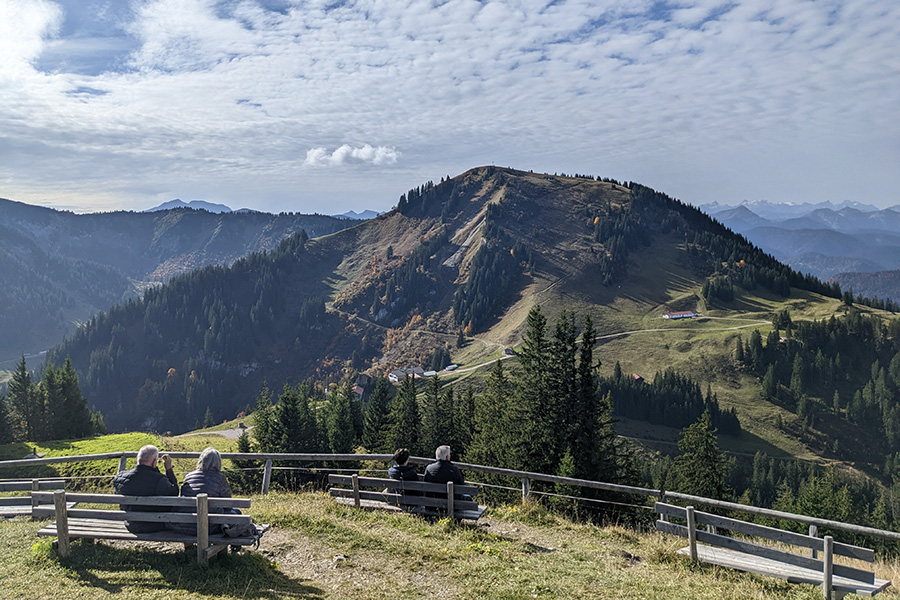
For many travelers, Bavaria is their introduction to Germany. It’s home to many of the foods, traditions, and customs that international visitors often associate with Germany as a whole. In reality, Bavaria has a unique culture and identity within Germany. From stunning castles and palaces like Neuschwanstein, to historic cities such as Munich and Nuremberg, to unspoilt Alpine landscapes and crystal-clear lakes, Bavaria offers an incredible variety of experiences.
I’ve been visiting Bavaria for nearly 20 years and have explored the region extensively using Munich as a base. In this guide, I share my favorite things to do in Bavaria, how to navigate the state, and the cities, towns, and attractions that shouldn’t be missed.
You’ll find everything you need to start planning your trip—from top sights and local food to day trips, seasonal recommendations, and suggested itineraries. Whether you’re visiting Bavaria for the first time or returning to explore more of southern Germany, this guide will help you make the most of your trip.
- Ideal stay: 6–7 days
- Best for: Castles, beer culture, scenic landscapes, historic cities
- Language: German
- Currency: Euro (€)
- Best time to visit: Spring and autumn
- Main Airports: Munich Airport (MUC), Nuremberg Airport (NUE), Memmingen Airport (FMM)
- Public Transportation: Well connected with local and regional transit
- Is a car needed? No, not for most travel
Plan your Bavaria trip:
- Bavaria Itinerary Ideas
- Starting in Munich
- Bavaria’s Most Beautiful Historic Cities
- Bavaria’s Best Castles & Palaces
- Beer, Food & Bavarian Traditions
- Lakes, Mountains & Outdoor Escapes
- Bavaria by Season
- Planning Your Bavaria Trip
Table of Contents
Bavaria Itinerary Ideas
Whether you’re interested in short city breaks or longer adventures in the outdoors, Bavaria has it all. Plan your trip with help from these itineraries.
- 3 Days in Bavaria: The classic Bavaria trip for first-timers. Munich + Neuschwanstein
- 5 Days in Bavaria: With a couple of extra days, add one of Bavaria’s most beautiful historic cities. Munich + Neuschwanstein + Regensburg
- 7 Days in Bavaria: With a full week, get a broader look at Bavaria’s castles, cities, and landscapes. Munich + Neuschwanstein + Regensburg + Bamberg + Chiemsee
Starting in Munich
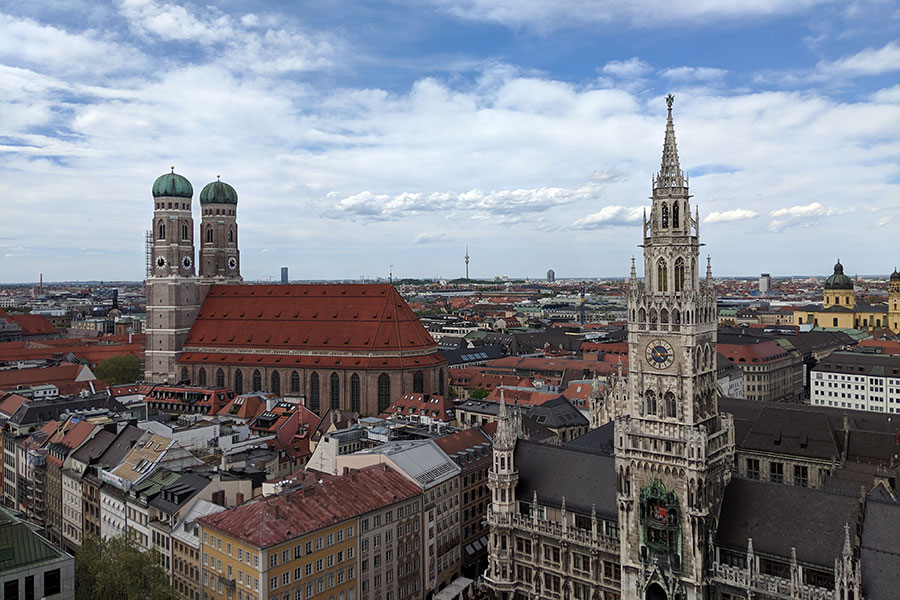
As the capital of Bavaria and its largest city, Munich is the most convenient base for exploring Bavaria. Many of Bavaria’s most popular destinations can be reached as easy day trips from Munich, making it an excellent base for first-time visitors. The city is a must-see destination, and it also boasts excellent public transit connections.
Get started in Munich:
Bavaria’s Most Beautiful Historic Cities
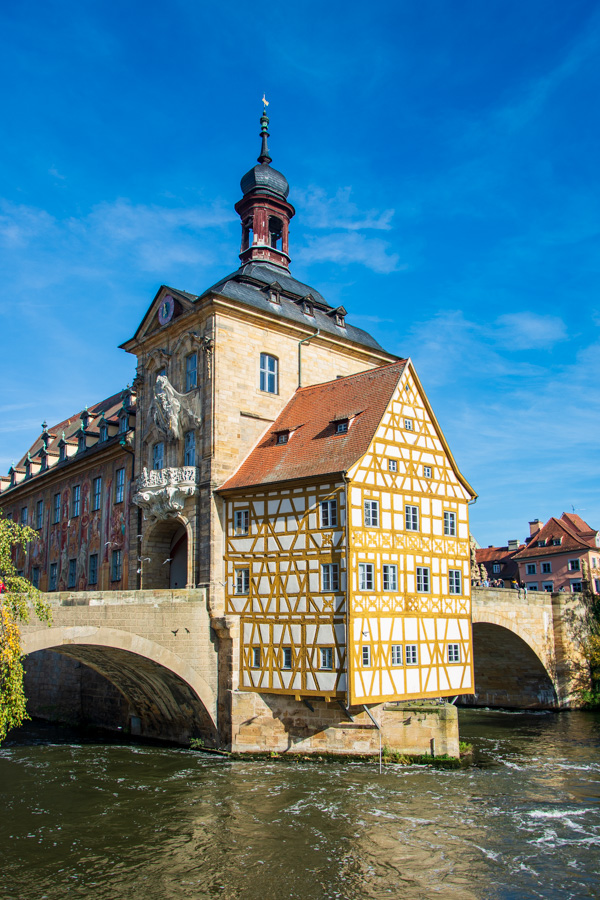
While Munich gets most of the attention, Bavaria is home to countless cities and towns. Many feature beautifully preserved old towns, impressive architecture, and centuries of history.
- Regensburg is remarkable for its largely preserved medieval city center that features a stunning bridge and 13th-century cathedral. Other nearby sites like Walhalla and the Befreiungshalle or Liberation Hall are also worth visiting.
- Bamberg is considered one of the most beautiful towns in Bavaria. Its UNESCO-listed old town is built across seven hills and is home to the iconic Altes Rathaus, which appears to sit directly above the Regnitz River. It’s also famous for its unique smoked beer.
- Würzburg offers an alternative to Bavarian beer culture. The city is renowned not only for its wine culture but also for its lavish palace.
- Augsburg is one of Bavaria’s oldest towns, dating to the Roman era. And it was also one of the state’s wealthiest – a fact that you can still enjoy today with its remarkable medieval architecture.
- Nuremberg is Bavaria’s second-largest city and is known for its imperial castle, medieval old town, Christmas market, and significant role in German history.
- Burghausen may not be on your radar, but it should be. Home to the world’s longest castle, it sits along the river separating Germany from Austria, offering a quiet experience away from the crowds.
Bavaria’s Best Castles & Palaces
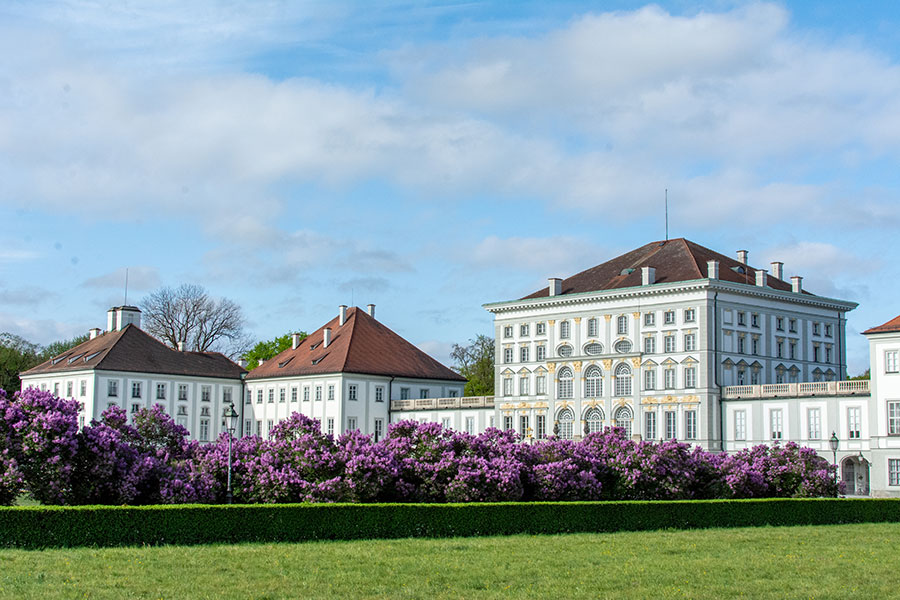
Bavaria’s castles and palaces are among its most popular attractions. From fairy-tale castles to lavish royal residences, Bavaria’s palaces showcase centuries of wealth, power, and architectural ambition.
- Neuschwanstein and Hohenschwangau are perhaps the most well-known castles in Bavaria. Neuschwanstein, the fairy-tale castle, is a popular day trip with nearby Hohenschwangau.
- Nymphenburg Palace & Park was the summer palace of the Wittelsbachs. Located in western Munich, the palace and its sprawling park shouldn’t be overlooked – they’re a favorite of mine!
- Schleissheim, located just outside of Munich near the airport, is a collection of three palaces once used by the Wittelsbach rulers. Often overlooked by visitors, it offers impressive Baroque architecture without the crowds found at Bavaria’s more famous palaces.
- Munich Residenz sits in central Munich and served as the main palace of the Wittelsbach. It’s a stunning must-see with opulent architecture. It’s also home to the Schatzkammer, that houses the Bavarian jewels.
- Herrenchiemsee, built by King Ludwig II and inspired by Versailles, is one of Bavaria’s most extravagant palaces. Reached by ferry across the Chiemsee, it combines royal grandeur with beautiful lake scenery.
Beer, Food & Bavarian Traditions

Bavarian food is often underappreciated, in my experience. Specialties like Weißwurst shouldn’t be missed!
Munich Wirtshaus, or local pubs, and biergartens are an important part of local culture. It’s where you find locals eating, drinking, relaxing, and socializing.
Bavarian beer is also a popular draw for visitors. Visitors can tour a Bavarian brewery to find out more about how they make beer following the Reinheitsgebot, or Bavarian beer purity law. Then, afterwards, visit some popular spots for beer lovers like the town Aying (home of Ayinger Beer) or monasteries like Kloster Andechs and Kloster Weltenburg.
And it goes without saying that Bavaria is famous for beer festivals, like Oktoberfest. But there are many additional ones to experience: Ayinger Bräu Kirta, Frühlingsfest, and Starkbierfest.
Lakes, Mountains & Outdoor Escapes
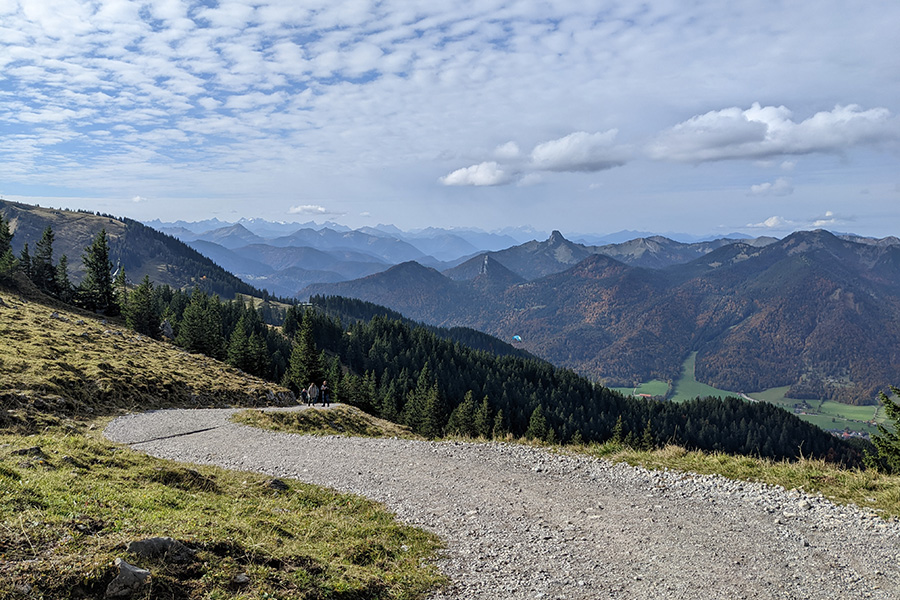
Bavaria is renowned for its nature and outdoors as well as for its beer!
With the Alps in the south, there are countless lakes and rivers across Bavaria with fresh, clean glacial water. Deep in Bavaria near the border with Austria, the Königssee is so picture perfect you’ll think you’re dreaming. Electric boats float across the lake, pausing for the captain to play the trumpet and demonstrate the echo off the mountains. Once docked, you can hike or explore the onion-domed church on the banks of the lake.
Often called the “Bavarian Sea,” the Chiemsee combines beautiful lake scenery with Herrenchiemsee, King Ludwig II’s extravagant palace inspired by Versailles.
The Tegernsee is a popular getaway for locals and visitors alike. The lakeside town has a charming and busy center with plenty of opportunities for hiking and watersports. Nearby, cable cars transport visitors up the Wallberg mountain for stunning views and hiking opportunities.
Bavaria by Season
Spring
Spring is one of my favorite times to visit Bavaria. The weather can still be unpredictable, but blooming gardens, reopening biergartens, and festivals like Frühlingsfest make it a wonderful time to explore.
- Munich in Spring – Weather, festivals, biergartens, and seasonal activities.
- Frühlingsfest – Munich’s popular spring beer festival.
- Maibaum (Maypole) Tradition – Learn about one of Bavaria’s most beloved spring traditions.
Summer
Summer is when Bavaria’s lakes, mountains, biergartens, and outdoor festivals truly come alive. Long daylight hours make it an excellent time for day trips and outdoor adventures. This is one of the best times to explore Bavaria’s lakes, mountains, and countryside.
- Königssee – Head to Berchtesgaden to experience Germany’s third deepest lake, hidden near the Austrian border and surrounded by the Watzmann range.
- Chiemsee – Explore lake scenery, charming villages, and King Ludwig II’s lavish island palace in a single day.
- Wallberg – Take a cable car high into the Wallberg for stunning views over the Tegernsee and some mountain hiking.
Autumn
I find Bavaria is perhaps its most beautiful in the autumn. The changing leaves create a magical atmosphere. And with many folks heading back to school and work, crowds are somewhat lighter.
- Bavaria in Autumn – Weather, festivals, and seasonal activities.
- Ayinger Bräu-Kirta – Ayinger Brewery holds its annual Bräu-Kirta festival, complete with special Kirta beer, ox races, and more festival fun.
Winter
Winter in Bavaria offers festive Christmas markets, snowy Alpine scenery, cozy beer halls, and seasonal events that make the colder months worth embracing.
- Munich in Winter – Weather, festivals, and seasonal activities.
- Starkbierfest – Celebrate with the winter beer festival.
- Tegernsee in Winter – Experience the beauty of the lake and mountains in winter with a day trip to the Tegernsee.
Planning Your Bavaria Trip
Getting Around Bavaria
One of the best things about traveling in Bavaria is how easy it is to get around without a car. Major destinations like Munich, Nuremberg, Regensburg, Augsburg, Bamberg, and Würzburg are connected by an extensive rail network, making train travel a convenient option for most visitors.
Munich also serves as an excellent base for exploring the region. Many of Bavaria’s most popular attractions, like Neuschwanstein Castle, Chiemsee, Tegernsee, and Salzburg, Austria, can be visited as day trips using public transportation.
If you’re planning to visit multiple destinations in a short period of time, regional train passes can help reduce transportation costs.
Helpful transportation resources:
- Bayern Ticket Guide – Everything you need to know about Bavaria’s popular regional rail pass.
- Best Day Trips from Munich – Easy destinations to visit using public transportation.
- Munich Travel Tips – Public transportation tips and practical advice for first-time visitors.
Saving Money in Bavaria
While Bavaria is one of Germany’s more expensive regions, it’s still possible to travel comfortably on a reasonable budget. Public transportation is efficient, many cities have excellent free attractions, and regional train passes can significantly reduce transportation costs.
Traveling during spring or autumn can also help you avoid peak-season crowds and hotel prices while still enjoying pleasant weather.
Budget-friendly Bavaria resources:
- How to Travel Bavaria on a Budget – My favorite tips for reducing costs across the region.
- Bayern Ticket Guide – A cost-effective option for regional train travel.
- Free Things to Do in Munich – Budget-friendly attractions in Bavaria’s capital city
Frequently Asked Questions About Visiting Bavaria
Still planning your trip? Here are answers to some of the questions I hear most often about visiting Bavaria.
How many days do you need in Bavaria?
I recommend at least 5 days if you want to experience more than Munich. Three days is enough for Munich and Neuschwanstein Castle, while a week allows you to add destinations like Regensburg, Bamberg, Chiemsee, or the Bavarian Alps.
Do you need a car in Bavaria?
Most visitors do not need a car when traveling in Bavaria. Cities like Munich, Nuremberg, Regensburg, Bamberg, and Würzburg are well connected by train, and many popular day trips can also be reached by public transportation. A car becomes more useful if you plan to explore smaller villages or more remote Alpine destinations.
What is the best month to visit Bavaria?
May and October are my favorite months to visit Bavaria.
In May, biergartens are reopening, gardens are in bloom, festivals are underway, and the weather is often ideal for sightseeing without the larger summer crowds. Visits to Bavaria in May give visitors a chance to experience the best it has to offer, both indoors and out.
In October, you get to savor the leaves changing, the cooler temperatures, and the smaller crowds. Daylight hours are shorter and biergartens tend to have more limited hours, but it creates a cozy atmosphere.
Is Bavaria expensive?
Bavaria is one of the more expensive regions in Germany. Munich is typically the most expensive destination in Bavaria, particularly for hotels. Smaller cities such as Regensburg, Bamberg, and Augsburg often provide better value while still offering excellent sightseeing opportunities.
Is Munich a good base for exploring Bavaria?
Yes, Munich is a great location to use as a central base for exploring Bavaria. The city offers great regional rail and road connections, as well as being worth exploring on its own.
What are the best places to visit in Bavaria?
Most visitors include large cities like Munich and Nuremberg, along with Neuschwanstein Castle, among their must-sees in Bavaria. But smaller towns like Bamberg and Würzburg, and palaces like Herrenchiemsee and Nymphenburg can be just as rewarding.
Why Bavaria Keeps Me Coming Back
Bavaria remains one of my favorite regions in Europe. Whether you’re exploring Munich’s beer gardens, wandering through medieval towns, admiring fairy-tale castles, or enjoying the scenery around the Alps, Bavaria offers an incredible variety of experiences for travelers.
I hope this guide helps you plan a memorable trip and discover some of the places that have kept me returning.
If Munich is part of your itinerary, be sure to check out my complete Munich Travel Guide for more detailed recommendations.
Save this post for later with Pinterest!
All photos and opinions are my own.


